
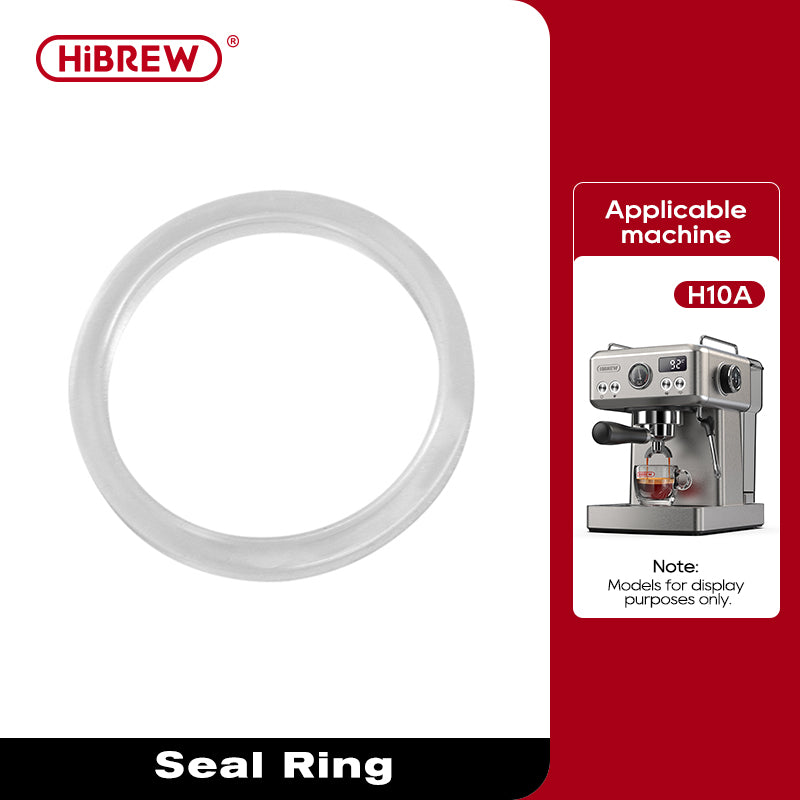
When it comes to pulling a great espresso shot, most coffee enthusiasts pay close attention to their coffee beans, grinder settings, water temperature, and water quality. But there's one small component inside your espresso machine that often gets overlooked: the group head gasket.
This little rubber or silicone ring plays a big role in maintaining a proper seal between the group head and the portafilter. Without it, your espresso machine cannot maintain the pressure needed for consistent extraction.
If you've noticed water leaking around your portafilter, unusual resistance when locking in the handle, or coffee residue building up around the group head, your gasket may be telling you it's time for a replacement.
So, how long does an espresso machine gasket last? What causes it to wear out? And how can you tell when it's time to install a new one?
Let's take a closer look.
1. What Is an Espresso Machine Group Head Gasket?
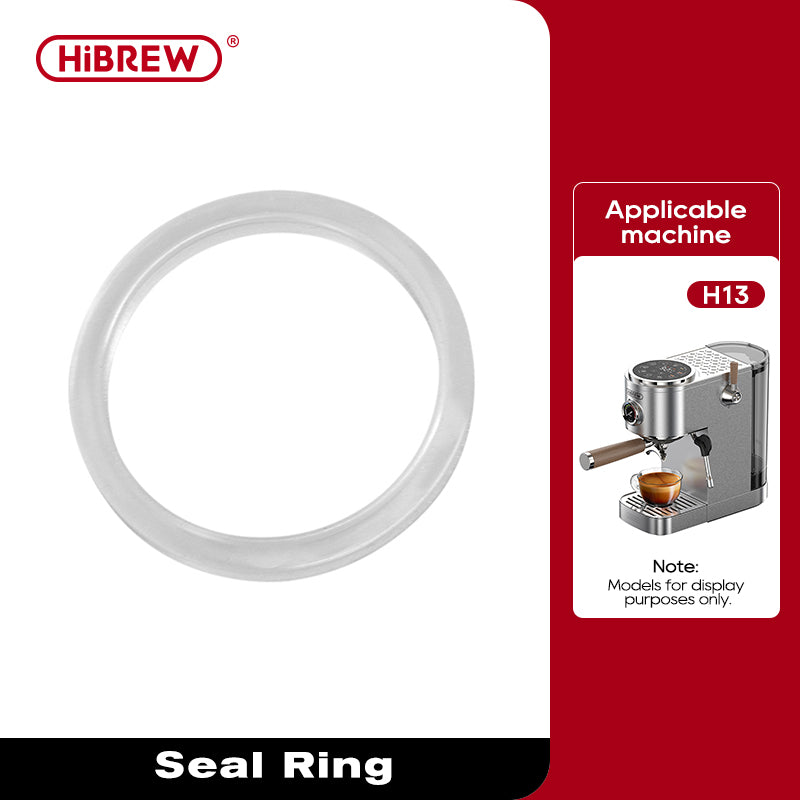
The group head gasket, also known as a portafilter gasket or group seal, is a small sealing ring installed inside the espresso machine's group head.
Its main job is to create a tight seal between the group head and the portafilter when the handle is locked into position.
During espresso extraction, hot water passes through the group head and coffee puck under high pressure, typically around 9 bars. The gasket helps prevent water from escaping around the portafilter, allowing the machine to maintain a proper seal throughout the brewing process.
Although it's a relatively inexpensive component, a worn or damaged gasket can lead to leaks, inconsistent brewing conditions, and unnecessary wear on other machine components.
In short, a properly functioning group head gasket is essential for reliable espresso extraction.
2. How Long Does an Espresso Machine Gasket Last?
There is no universal replacement interval for an espresso machine gasket. Its lifespan depends on the gasket material, brewing frequency, machine design, cleaning habits, and how often the portafilter is locked into the group head.
As a general guideline:
-
Home espresso machines: Around 6–12 months under regular use. With good maintenance and lighter use, some gaskets may last 1–2 years.
-
Commercial espresso machines: Around 3–6 months in busy coffee shops, where frequent brewing and repeated portafilter use accelerate wear.
These are estimated maintenance intervals, not fixed expiration dates. Always follow your espresso machine manufacturer's recommendations and inspect the gasket regularly.
A gasket that is still sealing properly does not necessarily need replacing just because it has reached a certain age. On the other hand, visible cracks or persistent leaks are good reasons to replace it sooner.
3. Why Do Espresso Machine Gaskets Wear Out?
Even though group head gaskets are designed to withstand heat and pressure, they operate in a demanding environment every day.
Here are five common reasons why they deteriorate over time.
3.1 Constant Exposure to Heat and Pressure
During normal espresso brewing, the group head operates at high temperatures, often around 90–96°C, while the brewing system typically delivers approximately 9 bars of pressure at the coffee puck.
Repeated exposure to heat causes elastomer materials to age gradually. Over time, the gasket can lose its elasticity, become harder, shrink, or develop small cracks.
Once it can no longer compress evenly against the portafilter, maintaining a reliable seal becomes increasingly difficult.
3.2 Coffee Oils and Residue Buildup
Every espresso shot leaves behind coffee oils and fine coffee particles.
When these residues accumulate around the group head, they can interfere with the gasket's sealing surface and contribute to deterioration over time.
Old coffee oils can also become sticky and rancid, affecting machine cleanliness and potentially introducing unpleasant flavors into future shots.
Regular group head cleaning helps prevent buildup and keeps the sealing area in better condition.
3.3 Limescale and Coffee Grounds
Mineral deposits from hard water can accumulate inside the brewing system, while fine coffee grounds can become trapped around the group head gasket.
These deposits may create uneven contact between the gasket and portafilter.
Even tiny coffee particles can interfere with the sealing surface. When the portafilter is repeatedly locked and twisted into place, trapped particles may contribute to abrasion and premature wear.
Using properly filtered water and keeping the group head clean can help reduce these problems.
3.4 Using an Incompatible Portafilter
Not every portafilter is compatible with every espresso machine.
Differences in portafilter ear thickness, locking angle, diameter, and group head design can affect how the gasket is compressed.
Forcing an incompatible portafilter into the group head can place excessive stress on the gasket, causing uneven compression, deformation, or mechanical damage.
In more serious cases, excessive force may also damage the portafilter locking tabs or other group head components.
Always check compatibility before purchasing a replacement portafilter. If the handle suddenly becomes difficult to lock, never force it into position.
3.5 Natural Material Aging
Like other rubber components, espresso machine gaskets gradually deteriorate with age.
Repeated heating and cooling cycles, prolonged compression, and exposure to moisture and coffee residues can cause the material to harden or lose its original shape.
This is why even a machine that isn't used very frequently may eventually need a new gasket.
4. 5 Warning Signs That Your Espresso Machine Gasket Needs Replacing
Not sure whether your group head gasket is worn out?
Watch for these five common warning signs.
4.1 Water Leaking Around the Portafilter
This is one of the most obvious signs of a failing group head gasket.
If water starts dripping or spraying from the area where the portafilter meets the group head during extraction, the gasket may no longer be creating a proper seal.
However, first check that the portafilter is correctly locked in place and that no coffee grounds are trapped around the sealing surface.
If the leak continues, inspect the gasket for damage.
4.2 The Portafilter Is Difficult to Lock or Feels Too Loose
Have you noticed that locking in your portafilter suddenly feels different?
A hardened or swollen gasket may make the handle unusually difficult to turn into position.
On the other hand, a worn, compressed, or damaged gasket may cause the portafilter to rotate farther than usual or feel noticeably loose.
Changes in locking resistance are worth investigating, especially when they happen alongside water leaks.
4.3 Espresso Extraction Becomes Inconsistent
A damaged group head gasket can allow water to escape around the portafilter, making it difficult to maintain a proper brewing seal.
You may notice changes in extraction consistency or brewing pressure when leakage is significant.
However, pressure fluctuations are not necessarily caused by the gasket alone. Grinder settings, coffee dose, puck preparation, pump performance, and other machine components can also affect extraction pressure.
If your pressure gauge behaves unusually, check the gasket as part of a broader troubleshooting process.
4.4 Your Espresso Starts Tasting Different
A leaking group head can compromise brewing consistency.
When water escapes around the portafilter, the extraction process may become less predictable, potentially affecting shot yield and flavor.
You might notice more inconsistent results, including excessive sourness, bitterness, or a lack of balance.
Keep in mind that changes in coffee flavor can also come from stale beans, incorrect grind settings, water quality, or poor puck preparation. A gasket should not be the first component you blame for every bad shot.
4.5 Visible Cracks, Deformation, or Loss of Elasticity
Sometimes the easiest way to identify a worn gasket is simply to inspect it.
Depending on your machine's design, you may need to remove the shower screen or group head components to access the gasket.
Look for:
-
Small cracks or splits along the sealing surface.
-
A flattened or permanently deformed shape.
-
Hardened rubber that no longer feels flexible.
-
Swelling, unusual stickiness, or surface deterioration.
-
Pieces breaking away from the gasket.
If you notice any of these signs, replacing the gasket is usually the best solution.
5. How to Maintain Your Espresso Machine Gasket
Replacing a gasket is relatively simple on many espresso machines, but good maintenance can help extend its service life.
Here are some practical habits worth building into your coffee routine.
Daily: Clean the Group Head After Brewing
After making your last espresso of the day:
-
Flush the group head with clean water.
-
Use a group head cleaning brush to remove coffee grounds around the gasket.
-
Wipe the portafilter and basket clean.
-
Make sure no visible coffee residue remains around the sealing area.
If your machine supports backflushing, follow the manufacturer's instructions for routine water backflushing.
Weekly: Perform a Deeper Cleaning
Coffee oils and fine particles can gradually build up in areas that are difficult to reach during daily cleaning.
Depending on your machine's design and manufacturer recommendations:
-
Remove and clean the shower screen when necessary.
-
Clean the group head and gasket groove.
-
Use an espresso machine cleaning detergent according to the recommended cleaning schedule.
-
Inspect the gasket for visible wear or deformation.
Avoid excessive disassembly or aggressive cleaning methods that could damage the sealing surface.
Use the Right Water
Hard water can contribute to mineral buildup inside your espresso machine.
Using filtered water with an appropriate mineral composition can help reduce limescale accumulation and support long-term machine performance.
Follow your machine manufacturer's water specifications and descaling recommendations.
6. How to Replace an Espresso Machine Group Head Gasket
If your gasket is visibly damaged or leaking persists after cleaning, it may be time for a replacement.
The exact procedure varies depending on the machine model and group head design, but the general process is as follows.
Step 1: Turn Off and Cool Down the Machine
Switch off the espresso machine, disconnect the power if appropriate, and allow the group head to cool completely.
Never attempt to remove components from a hot or pressurized machine.

Step 2: Remove the Portafilter and Shower Screen
Remove the portafilter.
Depending on the machine design, use the appropriate tool to remove the shower screen or retaining screw so you can access the group head gasket.
Step 3: Remove the Old Gasket
Carefully remove the old gasket using a suitable gasket removal tool or a non-damaging plastic pick.
Avoid scratching the group head or damaging the gasket groove.
If the gasket has become brittle, remove any remaining fragments carefully.
Step 4: Clean the Gasket Groove
Remove accumulated coffee grounds, oil, and other residue from the gasket seating area.
Make sure the groove is clean and free of debris before installing the replacement.
Step 5: Install the New Gasket
Check that the replacement gasket matches your machine's specifications.
Position it correctly in the group head groove, paying attention to its orientation if the gasket has a specific installation direction.
Some manufacturers recommend a particular installation method or lubricant. Follow those instructions rather than applying grease indiscriminately.
Step 6: Reassemble and Test
Reinstall the shower screen and retaining components.
Once the machine has been reassembled and brought back to its normal operating temperature, lock in the portafilter and run a short test.
Check for leaks around the group head before preparing your next espresso.
If the gasket still leaks or the portafilter does not lock correctly, stop using the machine and check compatibility, installation, and other sealing components.
7. Silicone vs. Rubber: Which Espresso Machine Gasket Is Better?
When shopping for a replacement group head gasket, you'll often come across different materials.
The two common options are traditional rubber-based elastomers and silicone.
Traditional Rubber / EPDM Gaskets
EPDM is commonly used in applications requiring resistance to heat, water, and aging.
Advantages include:
-
Good resistance to hot water.
-
Reliable sealing performance.
-
Good resistance to weathering and aging.
-
Available in various shapes and hardness levels.
Silicone Gaskets
Food-contact-grade silicone is another popular option for espresso machine maintenance.
Potential advantages include:
-
Good flexibility.
-
Excellent resistance to repeated heating and cooling.
-
Easy installation on compatible machines.
-
Good resistance to aging under suitable operating conditions.
However, material alone does not determine gasket quality. Hardness, dimensions, temperature rating, and compatibility with the espresso machine are equally important.
Which Should You Choose?
There is no universal winner between silicone and EPDM.
A high-quality gasket made from either material can perform well when it is designed for the specific group head and operating conditions.
Before purchasing, check your machine's recommended gasket material, dimensions, and compatibility.
8. 3 Important Things to Check Before Buying a Replacement Gasket
Before ordering a new group head gasket, make sure you get the correct one.
1. Check Your Group Head Type
Different espresso machines use different group head designs.
For example, E61 group heads have their own gasket specifications, while many home espresso machines use proprietary designs.
Do not assume that every E61-style gasket or standard-looking group head gasket will fit your machine.
2. Check the Dimensions
Pay attention to:
-
Outer diameter.
-
Inner diameter.
-
Thickness or height.
-
Portafilter locking specifications.
Even small dimensional differences can affect the sealing performance and locking position.
3. Choose a Suitable Material
Choose a food-contact-suitable material designed for espresso machine operating temperatures.
Silicone and EPDM are both worth considering, provided they meet the manufacturer's specifications.
The right fit is always more important than choosing a material based on marketing claims alone.
Final Thoughts: A Small Part That Makes a Big Difference
Your espresso machine's group head gasket may be small, but it plays an essential role in every shot you pull.
From preventing water leaks to helping maintain a consistent brewing seal, this inexpensive component deserves more attention than it usually gets.
Regular cleaning, compatible accessories, and timely replacement can help keep your espresso machine performing reliably for years.
So, the next time you notice water leaking around your portafilter or an unusual change in locking resistance, don't overlook the gasket.
Sometimes, the solution to a better espresso shot isn't a new grinder or a more expensive coffee bean. It's simply a new group head gasket.
Keep your machine clean, check your seals regularly, and enjoy better espresso, one shot at a time.
Q1: How often should I replace my espresso machine gasket?
Most home espresso machine gaskets should be inspected regularly and may need replacement every 6–12 months. Commercial machines may require replacement every 3–6 months depending on usage.
Q2: How do I know if my espresso machine gasket is bad?
Common signs include water leaking around the portafilter, difficulty locking the handle, unusual locking resistance, and visible cracks or deformation.
Q3: Can I use any gasket for my espresso machine?
No. Gaskets vary in diameter, thickness, material, and group head compatibility. Always check your machine model and manufacturer's specifications.
Q4: Is a silicone gasket better than a rubber gasket?
Silicone offers good flexibility and heat resistance, while EPDM provides excellent resistance to hot water and aging. The best choice depends on your machine's specifications and operating conditions.
Q5: Can a worn group head gasket affect espresso taste?
Yes, indirectly. A leaking gasket can compromise brewing consistency and contribute to inconsistent extraction. However, grind size, coffee freshness, and puck preparation should also be checked.




اترك تعليقًا
تخضع جميع التعليقات للإشراف قبل نشرها.
This site is protected by hCaptcha and the hCaptcha Privacy Policy and Terms of Service apply.